Temporal co-founder and CTO Maxim Fateev uncovers the distributed systems hiding behind AI agents
In this episode
When most developers write code, crash recovery logic is at the bottom of their priorities, until crashes and delays force them to incorporate resiliency logic. That’s why Temporal co-founder and CTO Maxim Fateev built a system to turn code into durable execution. In his conversation with 1Password CTO Nancy Wang and VP of Engineering for Developer and AI Jeff Malnick, Maxim explains why the distributed systems thinking that shaped his work is now essential for building reliable AI agents, including a live demo of a durable agent surviving a crash.
What agents are hiding under the hood
Events are the global variables of distributed systems
Durable execution removes the need for specific languages to run workflows
While agent skills are unreliable, hooks are a hard boundary
Once agents need retries, they inherit the complexity of large-scale distributed systems
Sandboxing agents is the only way to contain what they can access
Also available in audio format on the following platforms: Apple Podcasts, Spotify
Maxim Fateev
Max is CTO and co-founder of Temporal. He is a 20-year veteran of AWS, Google, and Uber engineering leadership, having led the development of the SQS replicated message store and the Simple Workflow service at AWS, and then co-creating Cadence (Temporal’s predecessor) at Uber. Today, millions of Temporal workflows are run daily for high reliability and high scalability workloads from Stripe to Datadog to Snapchat.

Get the episode transcript
More episodes
OpenAI Agent Security Lead Fotis Chantzis discusses one of the biggest unsolved problems in AI
Vercel Chief Product Officer Tom Occhino reflects on React and how AI transforms software creation
Cursor Head of Security Travis McPeak considers how to secure agents without slowing work
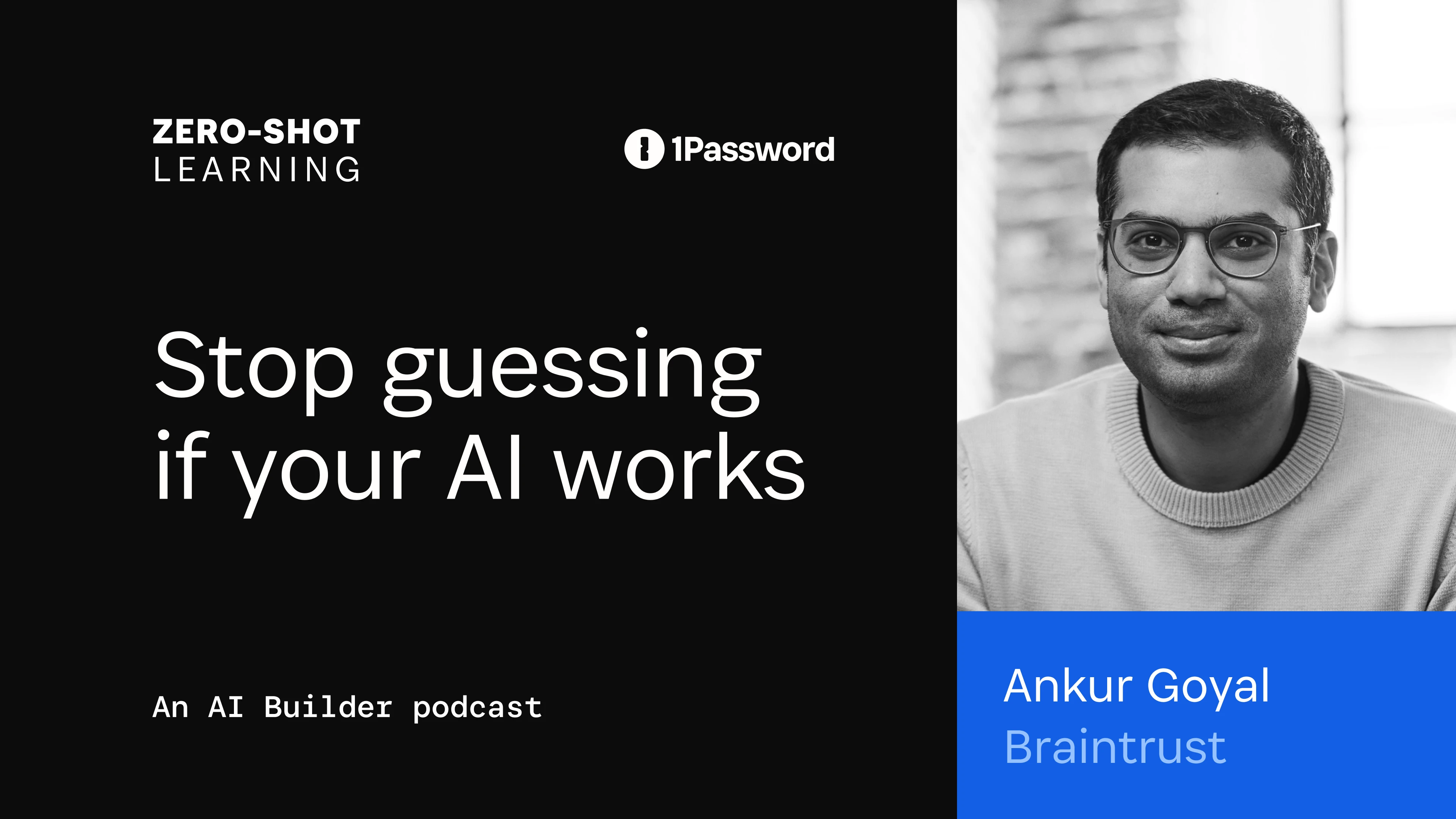
Braintrust founder and CEO Ankur Goyal examines why AI learning happens after launch
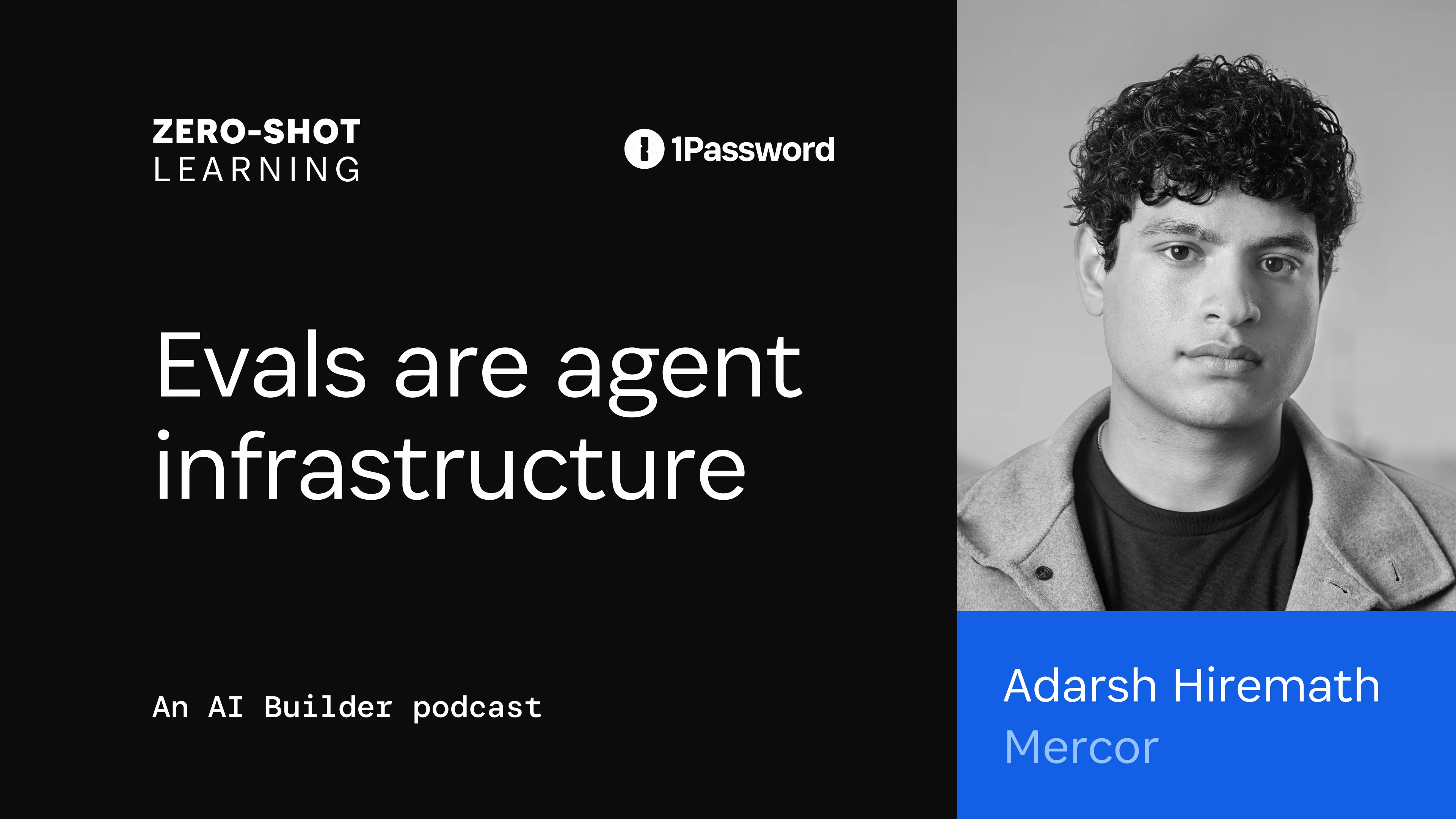
Mercor co-founder and co-CEO Adarsh Hiremath addresses the AI onboarding problem
Cognition President of New Enterprise Jeff Wang envisions a future where AI agents prove their own work
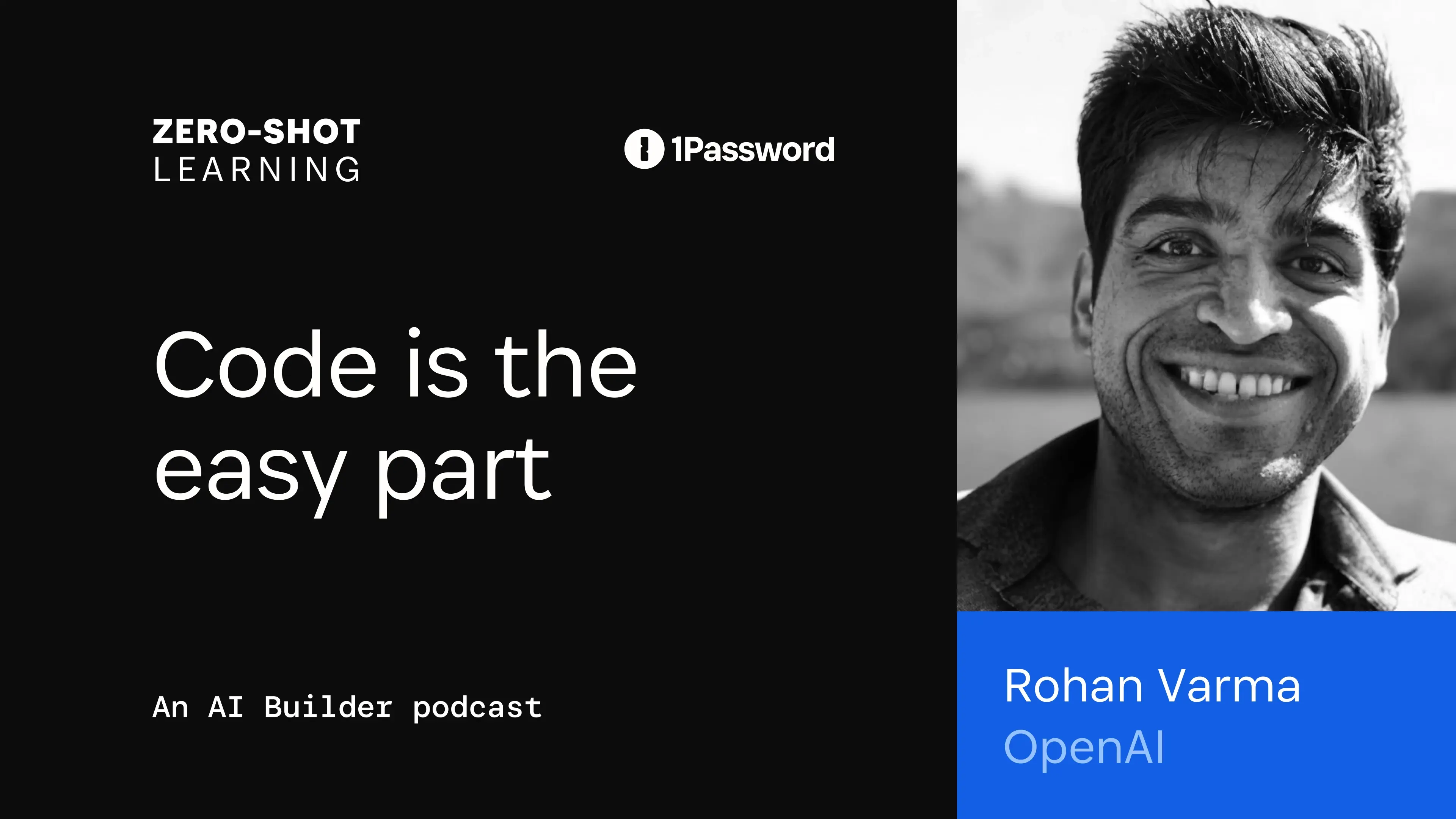
OpenAI Codex product leader Rohan Varma is redefining what it means to be a developer
Chainguard Co-founder and CTO Matt Moore built a fix to the broken open source trust model